
The Rise of Fractional Leaders
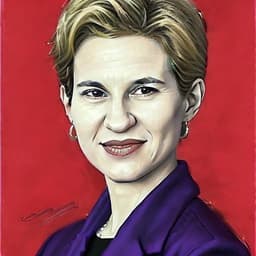

Webinar summary
Full video transcript
Good afternoon, everyone. Recently, just this afternoon, welcome to another NachoTuesday. We have Karina from Fractionals United joining us today, and we’re going to discuss the rise in fractional roles. Without further ado, Karina, could you introduce your company—or rather, your community—and tell us what you guys do?
Sure! Fractionals United, which is only nine months old, is a free community for all current and aspiring fractional leaders. It's a space where we can connect, collaborate, and learn from each other.
Great! What inspired you to start this community, and how did you get to where you are now, heavily involved in the fractional community?
I started doing fractional work about eight years ago, before it even had a name. My career began in the publishing industry, but after experiencing one too many reorganizations and layoffs, I dipped my toes into consulting and freelance work. I fell into a pattern of running small to midsize businesses. As I used to explain, no one goes into business to run the business. Most founders get overwhelmed when there’s product-market fit and want to focus on strategy, service, or product development—not the day-to-day operations. That's where someone like me comes in. It was a mouthful to explain back then, but now I can just say "fractional COO," which makes it so much easier.
I also do workflow consulting on the side. I had a workflow client who later became my full-time employer as their fractional COO for a short period. As often happens with small businesses, once everything is set up, they don’t need a full-time COO, so I returned to fractional work at the beginning of 2023. I found the landscape had changed significantly in two years. On one hand, fractional work has become more popular; everyone is talking and writing about it. On the other hand, it felt more challenging and isolating. I searched for a community but couldn't find what I was looking for. On January 7th, I decided I needed to find my people. That evening, after a lot of Googling, I still couldn't find the right community. I found some platforms with communities or paid services, but nothing purely for the sake of community. I decided to see if there was interest and put up a Slack landing page, messaged my existing networks, and posted on LinkedIn. By the end of that first weekend, we had 50 members. Everybody was excited and said, "Yes, please!"
We just turned nine months old two days ago and now have 4,700 members. It's been an overnight success, showing that fractional work is this unique space between full-time roles and consulting. I wasn’t the only one looking for a community and connection.
Read the rest of the transcript →Hide the rest of the transcript ←
It's great to see this opportunity for both companies and fractional professionals. Many companies, especially startups, might not have the budget for a full-time Chief Operating Officer or Chief Marketing Officer. Even a few hours a week from a fractional executive can significantly impact a company's strategic direction without the expense of full-time salaries.
Exactly. It reminds me of the rise of influencers, who were initially a different type of affiliate and later evolved into creators. Similarly, fractional roles are becoming more recognized and defined.
So, what is the opportunity for fractional roles today, and what kinds of roles exist?
Fractional roles are especially suited to executive positions because you're hiring an experienced executive to strategize and lead rather than execute daily tasks. While some fractionals are more hands-on, the main benefit is that they can help steer the company in the right direction, providing guidance, mentorship, and leadership. Unlike consultants, fractionals are fully embedded within the company and leadership team. They aren't just there for a project; they become part of the organization.
For instance, there's a fractional COO in our community who only works with two clients at a time, and his teams don't even know he's fractional. Fractionals have the authority to represent the company, unlike consultants. For companies, especially SMBs, startups, and scale-ups, the opportunity is enormous. These organizations often need executive guidance because no founder knows everything or should try to. If you can't afford or don't necessarily need someone for 40 hours a week, a fractional leader is a perfect solution. I can't tell you how many times I've worked myself out of a job, and it's not just me; we've had these conversations in the community. Unless you're a large company, you typically don't need us full-time, as it would be a waste.
On the role side, fractional work can be found in various areas such as operations, marketing, legal, compliance, technology, finance—pretty much anything you can think of. Currently, finding these roles can be challenging because only a small percentage of companies who need us know we exist. Right now, it's all about business development, networking, and word of mouth, as there aren't many job boards or recruiters specializing in this space. However, I truly believe there will be an inflection point where finding fractional roles will be as straightforward as finding any other job. It will take time for companies and people to fully understand and accept this change, but I believe it's inevitable.
I've seen growth and interest in fractional roles over the last year, and I think the next year or two will bring even more acceleration. There have been times when I've had to tell companies, "You don't need me for 40 hours a week," and I prefer to work on other projects. It's great that leaders have these opportunities and are aware of what these roles can offer.
The most common fractional roles we see today are CMOs and CFOs, as companies more easily understand how these positions can be fractional. It's harder for companies to grasp how roles like COO or CPO can be done part-time. This is likely because fractional work started with CMOs and CFOs, so there's more awareness and understanding of these roles.
I can see why this happens. Many companies might have early product-market fit and need a senior marketing person to help grow the company. They might not yet require a COO to streamline operations and processes, but having someone experienced in marketing can make a big difference.
Looking ahead, I believe that in three to five years, it will become standard practice for small companies to hire fractional leaders for key roles. More and more leaders are tired of the same old routine, whether they're between jobs, have been let go, or simply don't want to return to the pre-COVID grind. There’s a new normal emerging.
Another fractional community, Voyager U, and its co-founder John Arms, are actually hosting the first-ever fractional conference in Minneapolis, Minnesota, in two weeks. John often talks and writes about fractional work being the next big work revolution, benefiting both fractionals and companies. In Corporate America, a lot of time is wasted in meetings and filler activities. Fractional work can be much more efficient and beneficial for the economy and everyone involved. I totally agree that this will eventually become the norm because it makes so much sense, but it's hard to say how long it will take to get there. We're all pushing for it, but change takes time.
The momentum is there, and remote work definitely helps. With the hybrid work culture, someone can take on fractional roles from different cities or even countries, expanding the potential talent pool.
For companies looking to embed fractional team members properly and set the right expectations, my first piece of advice is to let the expert do their job. Treat the fractional leader as a partner. I understand that for founders, it's hard to let go—I'm a founder of a community now, so I get it. But if you're investing in this help, you need to trust them to do their job. Partner with them, don't micromanage, and avoid being a blocker. They're there to help you, so let them do that.
Treat the hiring process for a fractional role like any other job. Interview them thoroughly; this isn't a consultancy gig where you ask for a presentation. Talk to them, ask questions, and ensure this is someone you can trust and work with. Especially for roles like a fractional COO, it's crucial to have a good working relationship with the CEO. It's a two-way process; you have to get along with the person and feel confident in their abilities.
Most fractional leaders are 1099 contractors, though some might be W-2 employees. If you're not sure about the fit, don't be afraid to try it out for a month or two. If it doesn't work out, don't write off fractional hiring altogether. Just like with any full-time hire, if it doesn't work out, it doesn't mean the concept is flawed; it just means it wasn't the right fit. Learn from the experience and try again. Fractional hires should be treated like any other team member—just part-time. Many people are hesitant about new concepts, but if you frame them in a relatable way, it becomes easier. It's just like hiring an employee, with additional benefits such as cost savings and a 1099 relationship. This setup offers a "try before you buy" scenario, and if it works out, a fractional role can transition into a full-time position if both parties are interested. The relationship's power lies in its flexibility for both sides.
Exactly. Do you have any examples of companies that have been successful with fractional roles?
I don't have specific names to share, but there are plenty of companies and fractionals successfully working together. Some companies eventually move on from fractional roles because they grow to need full-time employees or have established solid systems and teams. This trend is visible across SMBs, scale-ups, and startups—it's definitely happening.
What is the typical number of companies a fractional leader works with at one time?
It varies by role. For a COO, it's typically two to three companies. For CFOs and CMOs, it can be more. For instance, we have a CMO in our community who handles up to nine clients at once, which is quite high but manageable if you have a team and focus on strategy. The average is probably three to five, depending on the level of involvement required. For a COO, managing four or five clients can be challenging unless some are in maintenance mode, where everything runs smoothly, and the role is more about oversight and troubleshooting.
That's why setting expectations is crucial. The company needs to know what to expect from you, and you need to understand your time commitments. If you're mostly involved in strategic work, you can manage more projects. Fractional roles offer flexibility, allowing adjustments based on business needs.
Certainly. If you're a potential fractional leader, how do you prepare for these roles? What does it look like to work with your community, and what tips do you have for those looking to transition into fractional work?
Joining our community is straightforward; there's a simple form on our website. We provide many resources for those new to fractional work, including member panels with experienced fractionals. These panels are informative and available for replay, alongside other resources.
Before transitioning, it's essential to understand that fractional work differs significantly from W2 employment. If you've done consulting, it's more similar, as you're essentially working for yourself. You must handle business development, set up an LLC or other legal structure, and manage your taxes. If you're moving from W2 employment, it's a big adjustment since you'll be responsible for these administrative tasks.
Time management and setting expectations are crucial. It's also important to have a financial cushion, as finding your first fractional role can take three to six months. If you're currently employed, start preparing while still in your job. If you're between jobs, consider taking other consulting or project work to support yourself during the transition. This way, you can be selective and find the right fit rather than taking the first opportunity out of necessity.
Exactly. It's like a hybrid between W2 and consulting, a new evolution of work. I believe this model will continue to grow in the coming years. I keep hearing more about it, too.
Next, I want to discuss failure. I always ask people about a time they failed because failures often teach us the most valuable lessons. Can you share an experience where you failed and what you learned from it?
Recently, I had a failure with a client where I built a system and overlooked a potential issue. It was an edge case that became problematic, compounded by a vendor not performing well. This situation strained my relationship with the CEO and was irreparable. From this experience, I learned the importance of thoroughly considering all potential issues when building complex systems. Sometimes, in the rush to keep things running, we resort to quick fixes. But it's crucial to recognize when a system becomes too "Frankensteiny" and take the time to rebuild it properly. It's better to address potential failures on your terms rather than being caught off guard. Totally. I think it's something that busy leaders, like myself, need to work on—time blocking and leaving time to connect the dots. Part of what we bring to the table is the ability to see the bigger picture, but if we overschedule and keep ourselves too busy, we lose the time to process and connect the dots, which is critical for leadership. This is true regardless of whether you're in a full-time, fractional, or any other role. We need to have that time to stop, think, process, and plan ahead. If we fail to do this, we're failing ourselves and our employers.
That's such a good point. Often, we get stuck in the weeds and can only see what's right in front of us. Sometimes, we need to step back and take a 30,000-foot view to truly understand the problem and break it down to its core components. If we're too booked with tactical work, we don't have time to think through strategy, which unfortunately requires dedicated time. Without this, we risk going too far down one path without realizing it, potentially ending up with a "Frankenstein" system that's not what we intended.
Great point. Were there any challenges you faced in building a community? Can you tell us more about that process? If someone wanted to build their own community, how should they go about it? You've done a great job yourself.
Thank you. This is my first time as a founder and community builder, so there were definitely challenges, especially learning as I went. It's like trying to fly a plane while building it. But that's startup life. Fortunately, I belong to some great communities, and the community managers and founders there were generous with their time, letting me pick their brains.
Community building is unique because you have many bosses—every member in some way is your boss because it's all about engaging them and providing value. Unlike other businesses, I always look at it from the viewpoint of my members. I made the tough decision to keep the community free because I didn't want money to be a barrier for anyone, especially during transitions. This decision has made monetization challenging, which I'm still figuring out, although NachoNacho has helped with the perks program.
At first, it was just me, myself, and I, with a zero budget. Unlike other startups where I might be hired, I had to wear multiple hats as the founder, CEO, and community manager. I had to get creative in finding support. There are a lot of automations and systems behind the scenes, but I eventually hired a part-time community manager, Tammy, who is amazing. Later, I brought in Will, who heads partnerships, on a commission basis because of the limited budget. That was a challenge—figuring out how to scale and sustain the community while staying true to its purpose. Many have told me I'm leaving money on the table, but I have to stay true to why I did this.
I really respect that. There's always a way to monetize, but it's crucial to care about your customers or, in your case, your members. If you build something valuable, people will come. You've focused on solving their core problems, and because of this, your community has grown rapidly. There are many potential monetization avenues, like offering perks, premium content, or helping with recruiting efforts. It's all about value creation. You've done a great job by focusing on this first, and the monetization can follow.
Exactly. In community building, you have no choice but to focus on the members—what is a community without them?
So, what should people know about Fractionals United and why they should join today?
If you're a current fractional leader, aspiring, or even "fractionally curious"—a new term we've started using—we welcome you. We're free to join, just fill out the form on our website. We have a lot of engaged, supportive fractionals and aspiring fractionals in the community. If you're an SMB, startup, or scale-up that needs leadership help but can't afford a full-time leader, there's also a simple form to fill out. I'll share it with the community, and you'll have plenty of great leaders to choose from.
What's next for Fractionals United? Is it all about growth?
Yes, we plan to continue growing and providing value. We're also exploring creating a "fractional alliance" or professional association, potentially collaborating on spreading awareness, lobbying, or other big-picture initiatives. The first-ever fractional conference is coming up in two weeks, which is exciting. Fractionals United aims to be the community hub for this growing ecosystem, partnering with other organizations and partners to support fractionals. I don't want to do everything; I just want to be the community for fractionals.
That sounds like a great vision. NachoNacho is proud to partner with you, and if anyone's interested in joining the community—whether you're a fractional leader or a company looking for talent—visit fractionalsunited.com or reach out to Karina on LinkedIn. We're excited to grow our communities together. Thanks again, Karina, for the partnership and the valuable work you're doing.
Thank you. We're excited to partner with you too!
Great, thanks again, and thanks to everyone for joining today. NachoNacho is the best place to buy SaaS and find great services like Karina's. We look forward to seeing you next time.
Related NachoTuesday interviews


NachoTuesday: C-Suite Insights
Exclusive live 1:1 interviews with SaaS executives, investors, media, and founders.

Learn tips, growth hacks, and strategies from industry leaders

Hear behind-the-scenes stories you won’t get anywhere else

Engage live with our guests on LinkedIn Live, every Tuesday